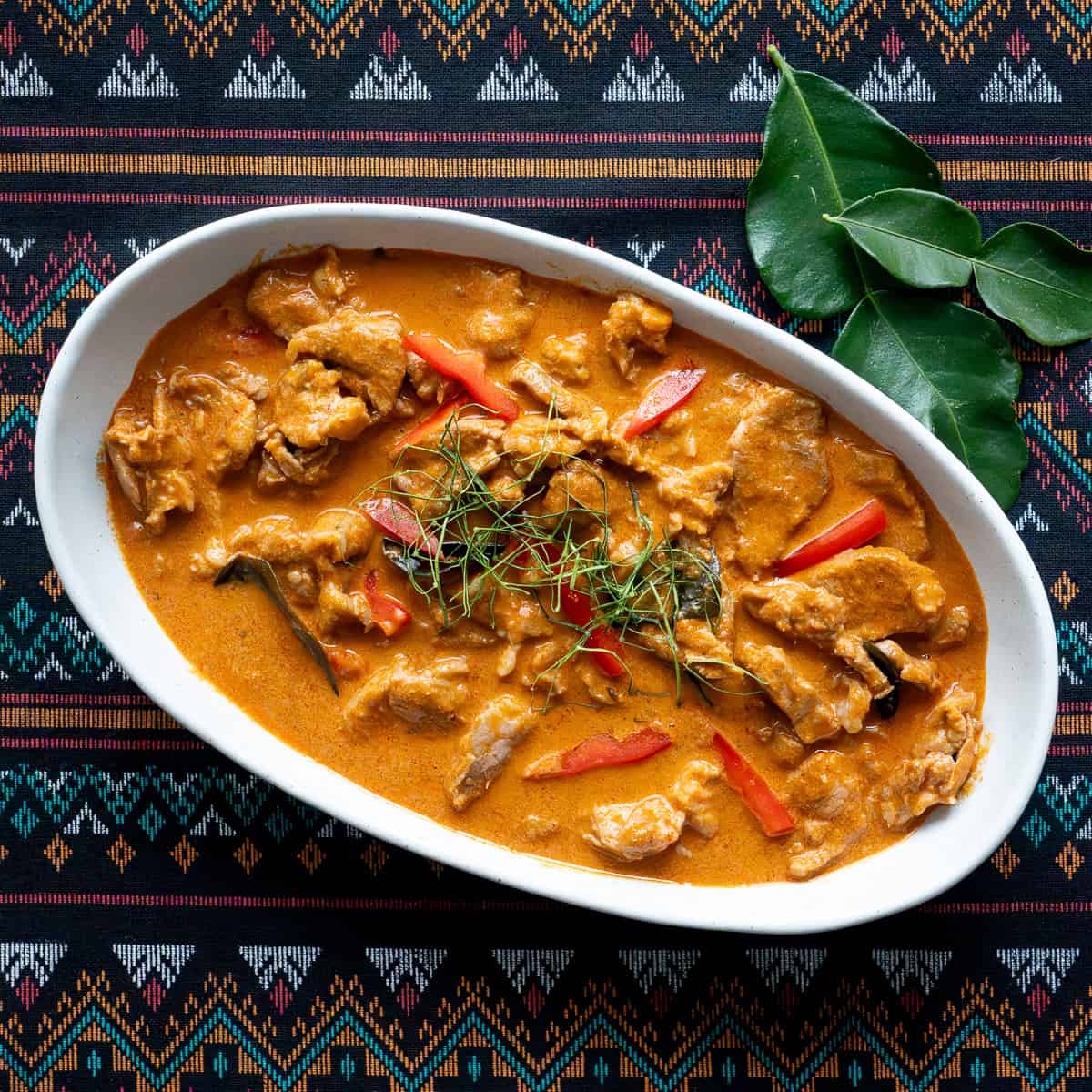
Easy Homemade Panang Curry: A Taste of Thailand Better Than Takeout
Imagine a rich, complex aroma filling your kitchen – a symphony of toasted spices, creamy coconut, and the delicate hint of sweet basil. This is the unmistakable allure of a truly exceptional
Thai Panang curry. For many, that elusive flavor, so often chased through countless takeout orders and store-bought pastes, seems like a distant dream. But what if we told you that the secret to a Panang curry that not only rivals but surpasses your favorite restaurant dish lies within your reach? It's not just about the ingredients; it’s about understanding the *why* behind each component and the *how* of bringing them together in perfect harmony. Get ready to embark on a culinary journey that will transport your senses straight to the bustling streets of Bangkok, all from the comfort of your own kitchen.
What Makes Thai Panang Curry So Irresistibly Special?
At its heart, Panang curry stands as a beloved gem in the diverse tapestry of Thai cuisine. Distinct from its fiery cousins like red and green curry, Panang offers a unique profile that captures the hearts (and palates) of so many around the globe. This exquisite
Thai Panang curry is characterized by its remarkable balance: a rich, often slightly sweeter base with a profound depth of flavor, yet typically milder in heat.
Its defining characteristic is undeniably its distinctly nutty flavor, traditionally derived from toasted peanuts or cashews. This element, coupled with the generous use of coconut cream, lends Panang its signature velvety, luxurious texture that coats the palate beautifully. The name "Panang" itself is believed to originate from the island of Penang in Malaysia, hinting at its historical connections and cross-cultural influences that shaped its unique taste. Unlike some other Thai curries that focus heavily on a powerful spicy kick, Panang strikes a beautiful harmony, delivering a comforting warmth alongside an exhilarating burst of nuanced flavors. It’s the kind of dish that elevates a simple weeknight meal into a special occasion, promising a deeply satisfying experience with every spoonful.
The Heart of the Matter: Crafting Your Own Panang Curry Paste
While the convenience of pre-made Panang curry paste might be tempting, we cannot stress enough the transformative power of making your own. The difference in flavor is nothing short of astonishing. Freshly ground spices and vibrant aromatics create a sensory experience from start to finish, laying the true foundation of your culinary masterpiece. A store-bought paste, while handy, often contains preservatives and flavor enhancers that can mask the nuanced subtleties of a truly authentic curry.
Mastering Authentic Thai Panang Curry: Your Ultimate Homemade Guide details this process extensively, but here’s why it’s worth the effort:
Creating your own paste allows you to:
- Control the Spice Level: Tailor the heat precisely to your preference.
- Ensure Freshness: Experience the vibrant punch of ingredients at their peak.
- Achieve Authentic Nuance: Unlock the true depth of flavor often lost in mass-produced versions.
The process might seem a little daunting at first, but with a good mortar and pestle (the traditional tool, perfect for releasing essential oils) or a powerful food processor (a quick, modern alternative), it's remarkably straightforward. The key to unlocking unparalleled flavor lies in one crucial step: toasting your dried spices first. Imagine the scent of coriander seeds and cumin seeds warming gently in a dry pan, releasing their fragrant magic. This simple act awakens their essential oils, intensifying their aroma and deepening their flavor profile in a way raw spices simply cannot. It’s the beginning of something truly special and a step that truly sets a homemade
Thai Panang curry apart.
Assembling Your Masterpiece: From Paste to Plate
With your aromatic paste ready, the journey from raw ingredients to a steaming bowl of glorious
Thai Panang curry is surprisingly quick and immensely rewarding. This stage is where all the flavors converge, creating that iconic creamy, nutty, and savory profile.
Building Flavor Layers:
- Sauté the Paste: Begin by gently frying your homemade Panang curry paste in a little oil, or better yet, a spoonful of the thick coconut cream skimmed from the top of your can. This process, often referred to as "cracking the oil" in Thai cooking, is crucial. It blooms the spices, releasing their full aromatic potential and deepening their color and flavor. Continue until fragrant, typically 3-5 minutes.
- Introduce Protein and Vegetables: Add your choice of protein – chicken, beef, or for a vegetarian option, firm tofu. Sauté until lightly browned. Then, incorporate a medley of colorful vegetables. Bell peppers (red, yellow, orange), carrots, green beans, and even bamboo shoots are excellent choices, adding texture and nutrients. Cook them for a few minutes until they start to soften but still retain a slight bite.
- The Coconut Infusion: Pour in the remaining coconut milk. For the creamiest texture, use full-fat coconut milk. Bring the mixture to a gentle simmer, allowing the flavors to meld and the vegetables to cook through. This is where The Secret to Thai Panang: Creamy, Nutty Flavor Explained truly shines, as the coconut milk interacts with the paste and toasted nuts.
- Balancing the Flavors: This is perhaps the most crucial step in authentic Thai cooking. Season your Panang curry with fish sauce for umami and saltiness, palm sugar for a touch of sweetness (balancing the spice and sour notes), and a squeeze of fresh lime juice for brightness and acidity. Taste and adjust until you achieve that perfect balance of sweet, salty, sour, and mildly spicy – the hallmark of Thai cuisine.
- Finishing Touches: Just before serving, stir in fresh kaffir lime leaves (if using, for a citrusy perfume) and a generous handful of sweet Thai basil leaves. The heat of the curry will wilt them perfectly, releasing their vibrant aroma.
Tips for Panang Perfection
To truly master your homemade
Thai Panang curry and ensure it rivals (or surpasses) any restaurant version, consider these insights:
- Quality Ingredients Matter: Start with the freshest ingredients you can find. Fresh herbs, good quality full-fat coconut milk, and fresh protein will make a noticeable difference in the final taste.
- Adjusting Heat: If you prefer a milder curry, deseed some of the chilies when making your paste. For an extra kick, add a few fresh bird’s eye chilies to the curry during the simmering stage.
- Sweetness is Key: Don't skimp on the palm sugar (or brown sugar if palm sugar isn't available). Panang is meant to be subtly sweet, and this balances the savory, spicy, and sour elements beautifully.
- Don't Rush the Simmer: Allow your curry to simmer gently for at least 10-15 minutes after adding the coconut milk. This gives the flavors time to meld and deepen, resulting in a more cohesive and complex dish.
- Make Ahead Advantage: Like many stews and curries, Panang often tastes even better the next day, as the flavors continue to marry and develop. It’s an excellent make-ahead meal for busy weekdays.
- Serving Suggestions: Traditionally, Panang curry is served with steamed jasmine rice, which perfectly soaks up the rich sauce. For an extra treat, try it with sticky rice or even warm roti.
- Garnish Generously: Don't forget the fresh garnishes! A sprinkle of chopped roasted peanuts, a few sprigs of fresh basil, and thinly sliced red chilies not only add visual appeal but also enhance the flavor and texture.
In conclusion, the journey to creating an exceptional homemade
Thai Panang curry is not just about following a recipe; it's about understanding and appreciating the interplay of fresh ingredients and traditional techniques. By taking the time to craft your own paste and balance the complex flavors, you'll unlock a depth and authenticity that simply can't be found in a takeout container. This dish is a testament to the fact that with a little effort and a lot of love, you can bring the vibrant, comforting, and utterly delicious flavors of Thailand right into your own kitchen, proving that homemade truly is better than anything you can order. So, gather your ingredients, fire up your stove, and prepare to impress yourself with a Panang curry that will become a cherished staple in your culinary repertoire.