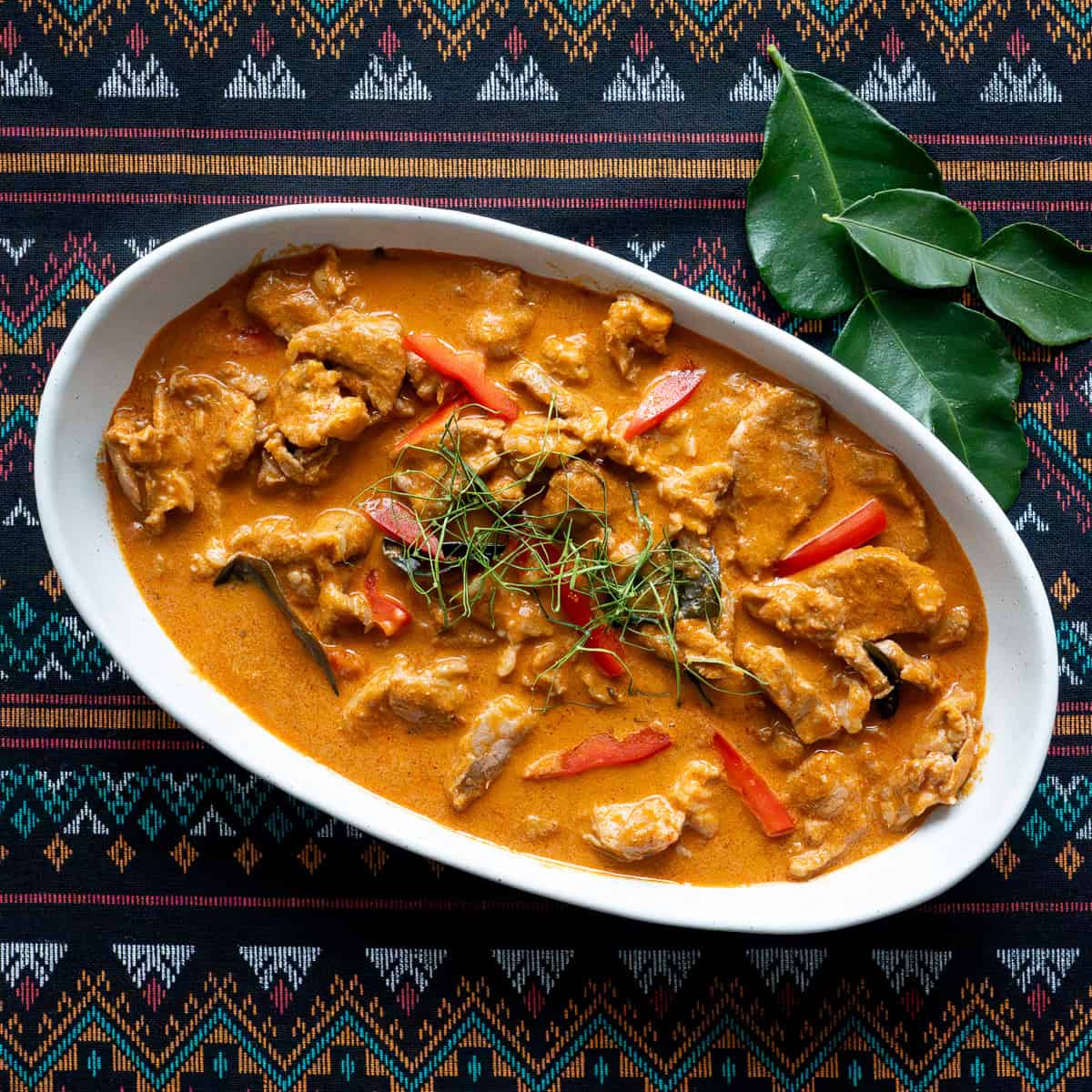
Mastering Authentic Thai Panang Curry: Your Ultimate Homemade Guide
The moment that rich, complex aroma wafts from your kitchen, a symphony of toasted spices, creamy coconut milk, and the subtle perfume of sweet basil, you know you’re on the verge of something truly extraordinary. This is the unmistakable hallmark of a truly exceptional Thai Panang curry. For years, many of us have chased that elusive, authentic flavor, experimenting with various store-bought pastes and countless online recipes, only to find something was always just a little bit off. But what if we told you the secret to unlocking the soul of authentic Thai Panang curry lies not in a secret ingredient, but in understanding the *why* behind each component and the *how* of bringing them together in perfect harmony?
This guide is your definitive blueprint, honed through countless kitchen experiments and inspired by the bustling markets and vibrant culinary traditions of Thailand. We’re thrilled to share the insights that will empower you to create a taste of authentic Thailand in your own home, transforming a simple meal into a memorable culinary journey. Say goodbye to takeout and hello to the incredible satisfaction of a homemade Panang that rivals your favorite restaurant.
What Makes Thai Panang Curry So Special?
So, what exactly is Thai Panang curry, and why has it captured the hearts and palates of so many around the globe? At its core, Panang is a rich, often slightly sweeter, and generally milder variation of Thai red curry. Its defining characteristic is a distinctly nutty flavor, typically derived from toasted peanuts or cashews, which contributes to its signature creamy, luxurious texture. Unlike some of its spicier cousins, such as green or jungle curry, Panang strikes a beautiful balance, offering a profound depth of flavor that is both comforting and exhilarating without relying on an overwhelming heat.
The name itself is believed to originate from the island of Penang in Malaysia, hinting at its fascinating historical connections and cross-cultural influences. This heritage underscores Panang's unique position in Thai cuisine, blending traditional Thai aromatics with a distinctively rich and mellow profile. It’s the kind of dish that can elevate a simple weeknight meal into a special occasion, providing a deeply satisfying and complex flavor experience that is surprisingly achievable in your own kitchen.
The Heart of the Matter: Crafting Your Own Panang Curry Paste
While convenience may tempt you to reach for a pre-made Panang curry paste, we cannot stress enough the transformative power of making your own from scratch. The difference in flavor is nothing short of astonishing. Think of it as building the foundational masterpiece of your curry. Freshly ground spices and vibrant aromatics create a sensory experience from start to finish that a store-bought paste, often laden with preservatives and flavor enhancers, simply cannot replicate. Creating your own paste allows you to control the spice level, the exact blend of aromatics, and most importantly, the unparalleled freshness. This dedication to the paste is what truly sets a homemade Thai Panang curry apart, unlocking its authentic soul. In fact, if you want to delve deeper into the core flavor components, you'll find The Secret to Thai Panang: Creamy, Nutty Flavor Explained an invaluable resource.
Essential Ingredients for Authentic Panang Curry Paste:
- Dried Red Chilies: Choose dried “spur” chilies for their vibrant red color and moderate heat. Soak them in hot water to soften before grinding.
- Aromatics: Fresh galangal (not ginger!), lemongrass (tender inner part), kaffir lime zest, shallots, and garlic form the aromatic backbone.
- Toasted Spices: Coriander seeds and cumin seeds are crucial. Toasting them in a dry pan until fragrant awakens their essential oils, unlocking a depth of flavor you simply can’t achieve otherwise. Imagine the scent releasing its magic—that's the beginning of something special.
- Nutty Element: Roasted peanuts or cashews, finely ground, are a hallmark of Panang, contributing to its unique creaminess and nutty undertones.
- Other Savory Elements: White peppercorns for a subtle bite and pungent shrimp paste (gapi) for a crucial umami depth.
The Process: Mortar and Pestle vs. Food Processor
The process might seem a little daunting at first, but with the right tools, it’s remarkably straightforward. A traditional mortar and pestle will yield the most authentic texture and flavor, as it crushes and bruises the ingredients, releasing their oils more effectively. However, if you’re short on time or upper body strength, a good food processor can achieve a very acceptable paste. Just ensure you pulse thoroughly until a smooth consistency is reached. Remember, the effort put into the paste is directly proportional to the incredible flavor you’ll achieve in your final Thai Panang curry.
Building the Curry: From Paste to Plate
With your homemade paste ready, the magic truly begins. The cooking process is just as crucial as the paste itself, ensuring each layer of flavor is properly developed.
- Blooming the Paste: This is arguably the most critical step. Start by adding a dollop of thick coconut cream (from the top of a can of full-fat coconut milk) to a hot pan. Once it starts to sizzle and separate, add your homemade curry paste. Fry the paste gently, stirring constantly, until it becomes incredibly fragrant and the oil from the coconut cream separates and shimmers on the surface. This “blooming” process toasts the paste, deepens its flavors, and removes any raw edge.
- Adding Protein: Once bloomed, add your chosen protein – thinly sliced chicken, beef, shrimp, or even tofu. Stir-fry until it's just cooked through or seared on the outside, absorbing the rich flavors of the paste.
- Incorporating Coconut Milk: Gradually add the remaining coconut milk, stirring constantly to create a smooth, creamy sauce. Bring it to a gentle simmer, allowing the flavors to meld.
- Balancing the Flavors: This is where your palate truly comes into play. Season with fish sauce for saltiness and umami, and palm sugar for sweetness. A squeeze of lime juice at the end can brighten the dish with acidity. Taste, adjust, and re-taste until you achieve that perfect balance of sweet, salty, sour, and spicy that defines authentic Thai cuisine.
- Adding Vegetables: Incorporate your favorite vegetables, such as sliced bell peppers, carrots, green beans, or bamboo shoots. Add them according to their cooking time, ensuring they remain tender-crisp.
- Finishing Touches: Just before serving, stir in fresh kaffir lime leaves (thinly sliced or torn) for their distinctive citrusy aroma, and a generous handful of fresh Thai sweet basil leaves, which wilt beautifully and add a final layer of herbaceousness.
Following these steps will ensure your homemade Panang rivals, if not surpasses, any restaurant version. If you're looking for a quick yet equally delicious path to a homemade meal, our guide on Easy Homemade Panang Curry: Better Than Takeout in Your Kitchen offers fantastic shortcuts without sacrificing flavor.
Serving Suggestions and Customization
A truly authentic Thai Panang curry deserves to be served with perfectly steamed jasmine rice, which acts as the ideal canvas for soaking up every drop of that rich, creamy sauce. Garnish with a few extra fresh basil leaves, thinly sliced red chilies for a pop of color and optional extra heat, and a sprinkle of crushed roasted peanuts for added texture.
Customization Tips:
- Spice Level: Control the heat by adjusting the number of dried chilies in your paste. For an extra kick, add a few fresh bird's eye chilies to the finished curry.
- Protein Power: While chicken and beef are common, don't hesitate to experiment with shrimp, duck, or even roasted pork belly. For a vegetarian or vegan version, use firm tofu, tempeh, or hearty mushrooms like shiitake or oyster mushrooms, and substitute mushroom-based umami seasoning for fish sauce.
- Nutty Variations: While peanuts are traditional, cashews offer a slightly different sweetness and richness. You could even experiment with a small amount of macadamia nuts for an exceptionally creamy texture.
- Vegetable Medley: Beyond bell peppers and carrots, consider adding green beans, snow peas, baby corn, or bamboo shoots to diversify the texture and nutrient profile of your curry.
Panang curry is incredibly versatile, allowing you to tailor it to your preferences while maintaining its authentic flavor profile. It also makes for fantastic leftovers, with the flavors often deepening and becoming even more harmonious overnight.
Embarking on the journey to master homemade Thai Panang curry is a truly rewarding culinary adventure. By understanding the importance of a fresh, homemade paste and meticulously building layers of flavor, you can confidently recreate this beloved Thai classic in your own kitchen. The rich aroma, the creamy texture, the perfect balance of sweet, salty, and subtle heat – it's all within your grasp. So gather your ingredients, fire up your stove, and prepare to delight your senses with an authentic taste of Thailand that will leave a lasting impression on your palate and your guests.
