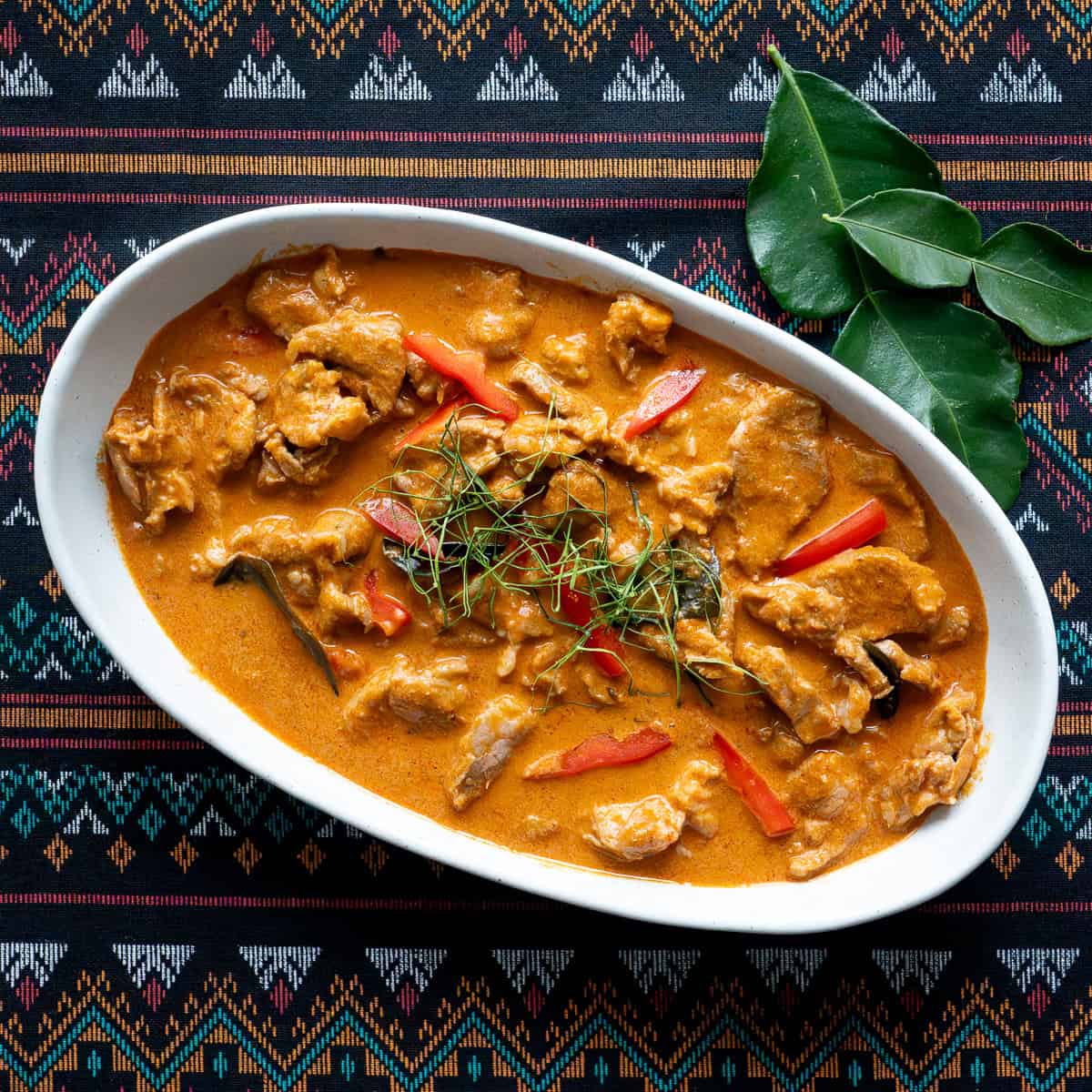
The Secret to Thai Panang: Creamy, Nutty Flavor Explained
There are few culinary experiences as transportive as a truly exceptional thai panang curry. Just the aroma – a rich, complex fragrance, a symphony of toasted spices, creamy coconut milk, and a delicate hint of sweetness – is enough to whisk you away to the bustling markets and vibrant kitchens of Thailand. For many home cooks, recreating that restaurant-quality magic can feel like chasing an elusive dream, trying various store-bought pastes and online recipes, only to find something fundamental missing. But the secret to its signature creamy, nutty depth isn't locked away; it lies in understanding the interplay of key ingredients and the mindful art of bringing them together.
This article delves into the heart of what makes Thai Panang curry so uniquely beloved, decoding its distinctive flavor profile and offering insights into how you can achieve authentic, mouthwatering results in your own kitchen. Prepare to unlock the true potential of this iconic Thai dish.
Unpacking the Essence of Thai Panang Curry
So, what precisely is Panang curry, and why has it captured the hearts and palates of so many around the globe? At its core, Panang is a rich, slightly sweeter, and often milder variation of Thai red curry. While it shares many common ingredients with its spicier cousins, its defining characteristic is a distinctly nutty flavor and a creamier, more luxurious texture. This beautiful balance sets it apart, offering a profound depth of flavor that is both comforting and exhilarating, appealing even to those who might shy away from the fiery heat of other Thai dishes.
The name itself is believed to originate from the island of Penang in Malaysia, hinting at its historical connections and the cross-cultural influences that have shaped Thai cuisine over centuries. Unlike some other Thai curries that focus heavily on a potent chili kick, Panang orchestrates a harmonious blend where sweetness, saltiness, and the creamy richness of coconut milk take center stage, underpinned by that unforgettable nutty whisper. It’s the kind of dish that can elevate a simple weeknight meal into a special occasion, and with the right approach, it's surprisingly achievable in your own kitchen.
The Heart of the Flavor: Mastering the Panang Curry Paste
While convenience often tempts us towards pre-made curry pastes, I cannot stress enough the transformative power of crafting your own thai panang curry paste from scratch. The difference in flavor is nothing short of astonishing. Freshly ground spices, vibrant aromatics, and the absence of preservatives or artificial enhancers create a sensory experience from start to finish. Think of it as building the foundational cornerstone of your culinary masterpiece; a strong foundation leads to an outstanding structure.
A store-bought paste, while certainly convenient, often contains preservatives and flavor boosters that can mask the nuanced subtleties of a truly authentic curry. Creating your own paste empowers you with complete control over the spice level, the exact blend of aromatics, and most importantly, the freshness of every component. This dedication to the paste is arguably the single most important factor that sets a homemade Panang curry apart, infusing it with unparalleled vibrancy and depth.
The process might seem a little daunting at first, but with a good mortar and pestle (the traditional tool that truly unlocks the aromatics' full potential) or even a food processor for a quicker approach, it's remarkably straightforward. The key step often overlooked is toasting your dried spices first – think coriander seeds, cumin seeds, and sometimes even dried chilis. This gentle warming in a dry pan awakens their essential oils, intensifying their fragrance and unlocking a depth of flavor you simply can't achieve otherwise. Imagine the rich, earthy scent filling your kitchen; it's the beginning of something truly special. This foundational effort ensures every spoonful of your Panang curry is imbued with a genuine, homemade character.
For those eager to dive deep into this culinary art, our guide on Mastering Authentic Thai Panang Curry: Your Ultimate Homemade Guide provides comprehensive steps and tips for crafting the perfect paste.
The Creamy, Nutty Symphony: Decoding Panang's Signature Taste
The defining characteristics of thai panang curry – its luscious creaminess and signature nutty undertone – are no accident. They are the result of deliberate ingredient choices and cooking techniques that work in concert. The nutty flavor primarily stems from the inclusion of toasted peanuts or cashews in the curry paste. These nuts are typically roasted until fragrant, then ground into the paste, releasing their oils and adding a rich, earthy dimension that rounds out the spice blend beautifully. Some recipes may even call for a spoonful of peanut butter, but nothing quite compares to the fresh, complex taste of freshly ground toasted nuts.
The unparalleled creaminess, on the other hand, comes from the generous use of full-fat coconut milk. But it's not just about adding a can of coconut milk; it's about how it's treated. Traditionally, the thick, creamy part (coconut cream) is simmered first with the curry paste until the oil separates and rises to the surface. This crucial step, often called "blooming the paste," intensifies the flavors of the spices and creates a rich, emulsified base before the thinner coconut milk is added. This technique ensures a deeply flavored, velvety sauce that coats every ingredient, contributing significantly to Panang's luxurious mouthfeel.
Beyond these two pillars, other elements play vital supporting roles. A touch of palm sugar balances the heat and saltiness, introducing that characteristic Thai sweet note. Fish sauce provides the essential umami and savory depth. Kaffir lime leaves, often thinly sliced and stirred in at the end, impart a bright, citrusy aroma that cuts through the richness, adding a layer of freshness that elevates the entire dish. The interplay of sweet, salty, sour, and that gentle hint of spice, all enveloped in creamy, nutty goodness, is what truly makes Panang a masterpiece of balance.
From Kitchen to Table: Practical Tips for Your Perfect Panang
Bringing a sensational thai panang curry to your table is more achievable than you might think, even on a busy weeknight. Here are some practical tips to ensure your homemade version rivals the best takeout:
- Quality Ingredients Matter: Seek out fresh, vibrant aromatics for your paste (galangal, lemongrass, shallots, garlic, dried chilis). For coconut milk, opt for full-fat varieties and shake the can well before opening, or refrigerate it overnight to easily separate the cream.
- Bloom the Paste: As mentioned, don't skip the step of sautéing your curry paste in a bit of coconut cream or oil until fragrant and the oil separates. This deeply develops the flavors.
- Balance the Flavors: Thai cooking is all about balance. Always taste and adjust your curry with fish sauce (for saltiness/umami), palm sugar (for sweetness), and a squeeze of fresh lime juice (for sourness) at the end.
- Protein Power: Panang is incredibly versatile. Chicken, beef (especially thinly sliced sirloin or flank steak), pork, shrimp, or even firm tofu make excellent protein choices. Cook your protein separately or add it in layers to ensure it's perfectly done without overcooking.
- Veggies Galore: Load your Panang with your favorite vegetables. Bell peppers (red, green, or yellow), carrots, green beans, or bamboo shoots are common additions, providing color, texture, and nutrition. Add them according to their cooking time, harder vegetables first.
- Garnish for Impact: Fresh sweet basil leaves, thin strips of kaffir lime leaf, and a sprinkle of crushed roasted peanuts are traditional garnishes that add both flavor and visual appeal.
Making a satisfying homemade Panang doesn't have to be complicated. For those looking for a streamlined approach without compromising on flavor, our guide on Easy Homemade Panang Curry: Better Than Takeout in Your Kitchen offers fantastic insights and techniques.
Conclusion
The allure of thai panang curry lies in its exquisite balance and comforting richness. It's a dish that masterfully blends the fiery spirit of Thai cuisine with a creamy, nutty embrace that distinguishes it from its counterparts. By understanding the critical role of a freshly made paste, the art of blooming the spices, and the careful layering of coconut milk, peanuts, and aromatics, you are not just cooking; you are embarking on a culinary journey. So, gather your ingredients, take a deep breath, and let the intoxicating aromas guide you. The secret to a truly exceptional homemade Panang is now yours to discover and share.
